// Hello, World!
a Web Developer
from Congo, DRC
Kinshasa, Democratic Republic of Congo
Web & desktop developer with a strong foundation in networking and telecommunications, bridging the gap between software development and secure infrastructure. Currently training with ALX Africa to build applications that are not just functional — but secure by design.
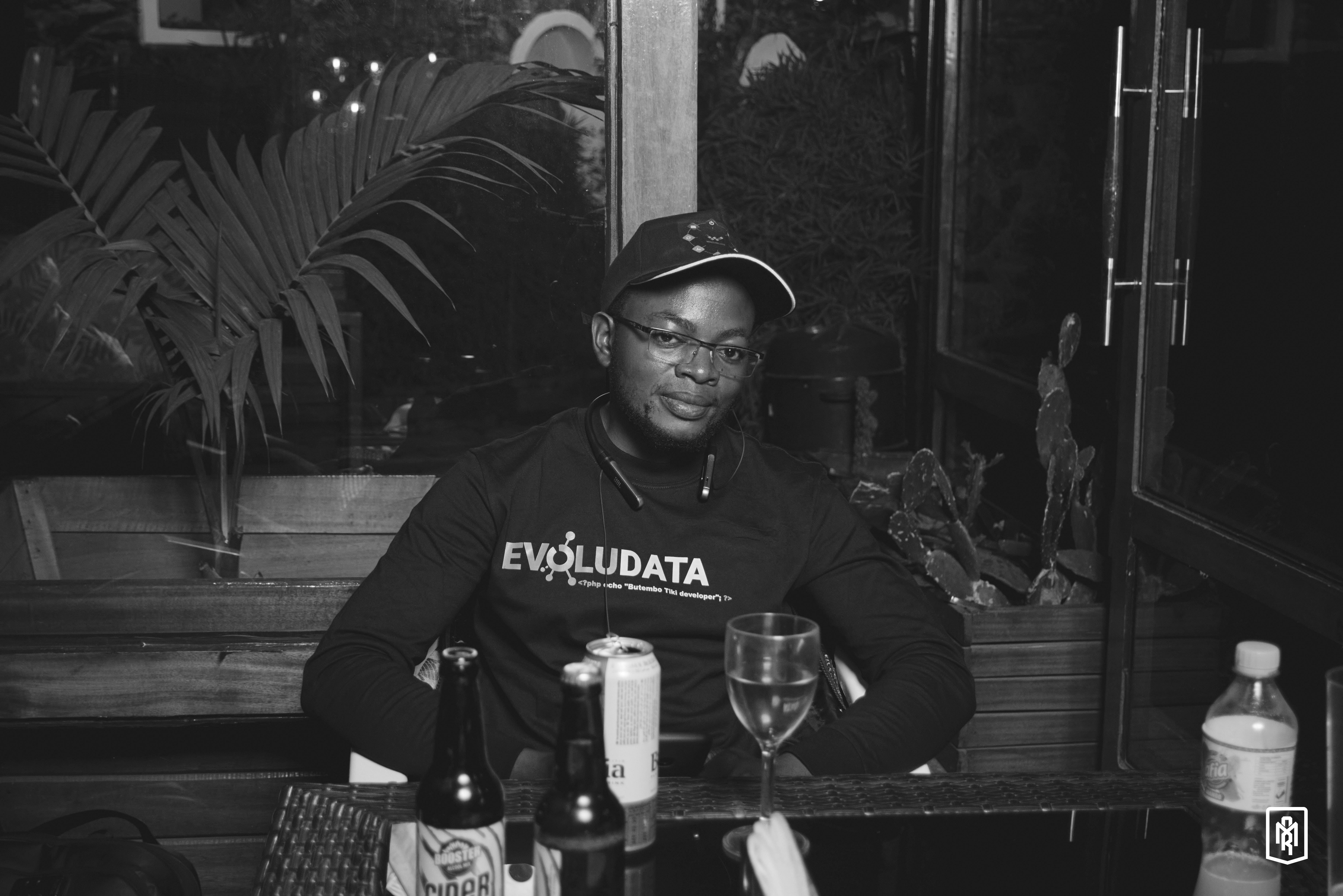
Alfred Syatsukwa is a web and desktop developer with a strong foundation in networking and telecommunications. Currently, he works as a freelance junior developer under his personal brand, contributing to open‑source projects and building custom solutions for clients.
His goal is to bridge the gap between software development and network infrastructure, creating reliable, integrated applications that perform seamlessly in real‑world environments.
To deepen that impact, he is actively expanding his skills in cybersecurity through ALX Africa — ensuring that the applications he builds are not only functional but also secure by design.
Among his most impressive achievements: managing a university computer lab and teaching IT for six years at Université de l'Assomption au Congo, and actively contributing to major open‑source projects such as Tiki CMS, Cypht webmail, and Tiki Manager through his role at Evoludata.
Building full-featured web applications and cross-platform desktop solutions with modern tools, clean architecture, and user-centred design.
Deep understanding of networking protocols and telecommunications. Experienced in managing lab environments, configuring networks, and integrating software with infrastructure.
Actively training with ALX Africa to design and build applications that are secure from the ground up — applying threat modelling and secure coding principles.
Experienced contributor to large-scale open‑source projects — navigating complex codebases, writing clean patches, and working within global distributed teams.
// Let's Connect
Whether you need a secure web application, an open‑source collaborator, or a developer who understands the network layer — let's talk.